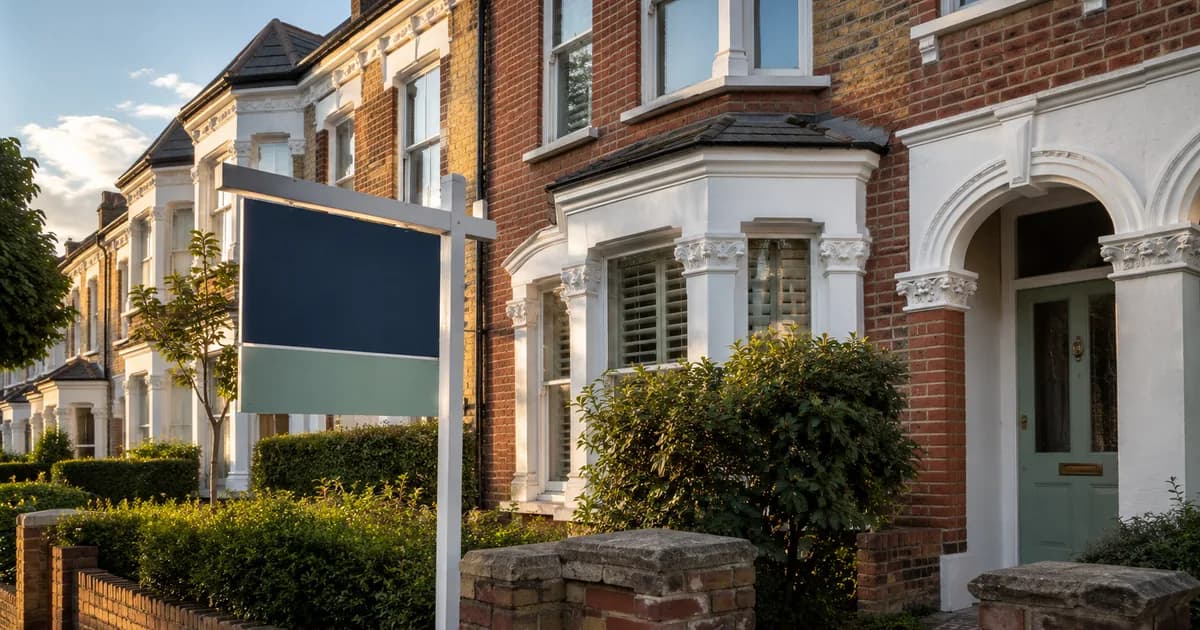
You had an offer accepted on a property. Surveys booked, solicitor instructed, mortgage application in. Then the estate agent calls: another buyer has come in £10,000 higher and the seller has accepted. You have just been gazumped.
Gazumping is legal in England, Wales and Northern Ireland. Until contracts are exchanged (typically 8–12 weeks after an offer is accepted), either party can walk away, or accept a better offer, with no legal consequence. In 2024, roughly one in four agreed sales fell through, and gazumping accounted for a significant share. This guide explains how it happens, how to defend against it, and what the new Home Buying and Selling reforms may change.
What gazumping actually is
Gazumping happens when a seller accepts a higher offer after already verbally agreeing to sell to you. Because no legally binding contract exists until exchange, the seller is free to switch. The estate agent is legally required to pass on all offers until exchange, so higher bids reach the seller and they usually feel pressure to take them.
In Scotland, the system works differently, offers are formally accepted via solicitors and a binding missive is usually concluded within days, making gazumping practically rare.
Why England's system makes gazumping so common
- Long exchange timelines. The average is 8–12 weeks; chains routinely stretch to 6 months. More time = more opportunities for a better offer.
- No deposit or reservation fee. Sellers have no financial incentive to stick with you.
- Estate agents work for the seller. Their duty is to maximise the sale price. A higher offer, even late in the process, legally must be communicated.
- Rising market dynamics. When prices climb quickly, sellers know their property is worth more than the offer they accepted 2 months ago.
How to reduce your gazumping risk
1. Lock the property off the market immediately
The single most effective step. Ask the agent in writing to remove the listing from Rightmove, Zoopla, and their window within 24 hours of offer acceptance. Many agents will do this routinely; some will not unless pushed. Get confirmation by email, it's not legally binding but creates accountability and a paper trail.
2. Move fast. Speed is protection.
Every day between offer and exchange is a day you can be gazumped. Cut the timeline by:
- Having a mortgage agreement in principle (AIP) before offering, not after
- Using a proactive solicitor, ask upfront about their average exchange timeline, not just fees
- Instructing searches and surveys on day one, not waiting for the draft contract
- Responding to solicitor enquiries within 48 hours, not the typical week
3. Ask for a lock-out agreement
A lock-out agreement (or "exclusivity agreement") is a short legal contract in which the seller agrees not to negotiate with anyone else for a fixed period, typically 4–8 weeks, in return for you paying a refundable deposit (often £500–£2,000). It is not a sale contract; it is a promise not to talk to other buyers. If the seller breaches it, you can reclaim your deposit plus legal costs.
Lock-out agreements are underused but completely legal. Sellers are more likely to agree if you offer a modest non-refundable element as a signal of commitment. Ask your solicitor to draft one as soon as your offer is accepted.
4. Offer at or slightly above asking, once
A seller who accepted your under-asking offer will always be tempted by a full-ask or above-ask alternative. If the property is reasonably priced and you can afford it, offering the asking price (rather than haggling £5,000 off) makes your offer harder to top. You lose a few thousand pounds on the purchase price but save the £3,000–£8,000 a failed sale typically costs you.
5. Take home-buyer protection insurance
For around £60–£80, home-buyer protection insurance reimburses your abortive legal fees, survey costs, and mortgage arrangement fees (usually up to £1,500–£2,500) if the sale falls through for reasons outside your control, including gazumping. It won't stop the gazump but it removes the financial sting. Buy it the day your offer is accepted.
What to do if you've been gazumped
- Ask for a written explanation. Sometimes there is a misunderstanding or the new offer has conditions the seller doesn't realise.
- Ask the seller directly (via the agent) whether they'd still accept your offer if the higher bidder's finances don't stack up. Many gazumps collapse because the new buyer can't proceed.
- Consider matching or beating. Only if you can genuinely afford it. Don't get into a bidding war on emotion.
- Recover costs where you can. Your solicitor may refund unspent fees. Survey fees are usually lost. If you bought home-buyer protection insurance, claim on it.
- Walk away and keep looking. A seller willing to gazump is a seller who'll do it again with the next buyer. You may actually have dodged a harder gazump further down the line.
The 2026 Home Buying and Selling reform
The UK Government's 2024 consultation on home-buying reform, expected to produce legislation in 2026, addresses gazumping head-on. The key proposals:
- Reservation agreements with deposits. A standardised binding reservation contract where both parties forfeit a deposit (typically £1,000–£2,000) if they withdraw without a valid reason. This is the flagship policy to reduce gazumping.
- Upfront material information. Sellers required to provide key legal and searches information before listing, shortening exchange timelines dramatically (potentially to 3–4 weeks).
- Digital property packs. Standardised, portable legal packs that follow a property regardless of buyer, eliminating duplicate search costs.
- Regulation of estate agents. Mandatory qualifications and a redress scheme with real teeth.
If enacted as proposed, reservation agreements would effectively kill gazumping in its current form. Buyers and sellers would each have skin in the game. Until then, the tactics above are your best defence.
Gazumping vs gazundering: the other side of the coin
Gazundering is the buyer's version, reducing your offer at the last minute, typically days before exchange, when the seller has invested too much time to walk away. Both exploit the same loophole: nothing is binding until exchange. The 2026 reforms would address both.
Due diligence reduces the cost of being gazumped
Part of the financial pain of being gazumped is the wasted due diligence spend. You can keep that cost low by checking critical property information upfront, before you even make the offer, rather than commissioning full searches after acceptance. A PropertyReportUK report covers 100+ data sources including valuation, sold prices, flood risk, crime, EPC, planning history, and leasehold details for £9.99–£49.99, cheaper than a single survey and available in minutes rather than weeks.
Quick reference: gazumping prevention checklist
- Ask the agent to take the listing off the market in writing
- Have an AIP before offering, not after
- Instruct a fast solicitor and searches on day one
- Ask about a lock-out agreement (4–8 weeks)
- Consider home-buyer protection insurance (£60–£80)
- Be a transparent, responsive buyer, sellers gazump buyers who feel unreliable
- Don't lowball if the market is rising
Move faster than the gazump
The best defence against losing a property is a quicker, better-informed decision. Run a PropertyReportUK report on any address before offering, get valuation, flood, crime, EPC, schools, and planning data in under 5 minutes and decide with confidence.